New Hampshire nears eight months of drought
Connecting New Hampshire
By: Abigail Ham (Keene Sentinel)
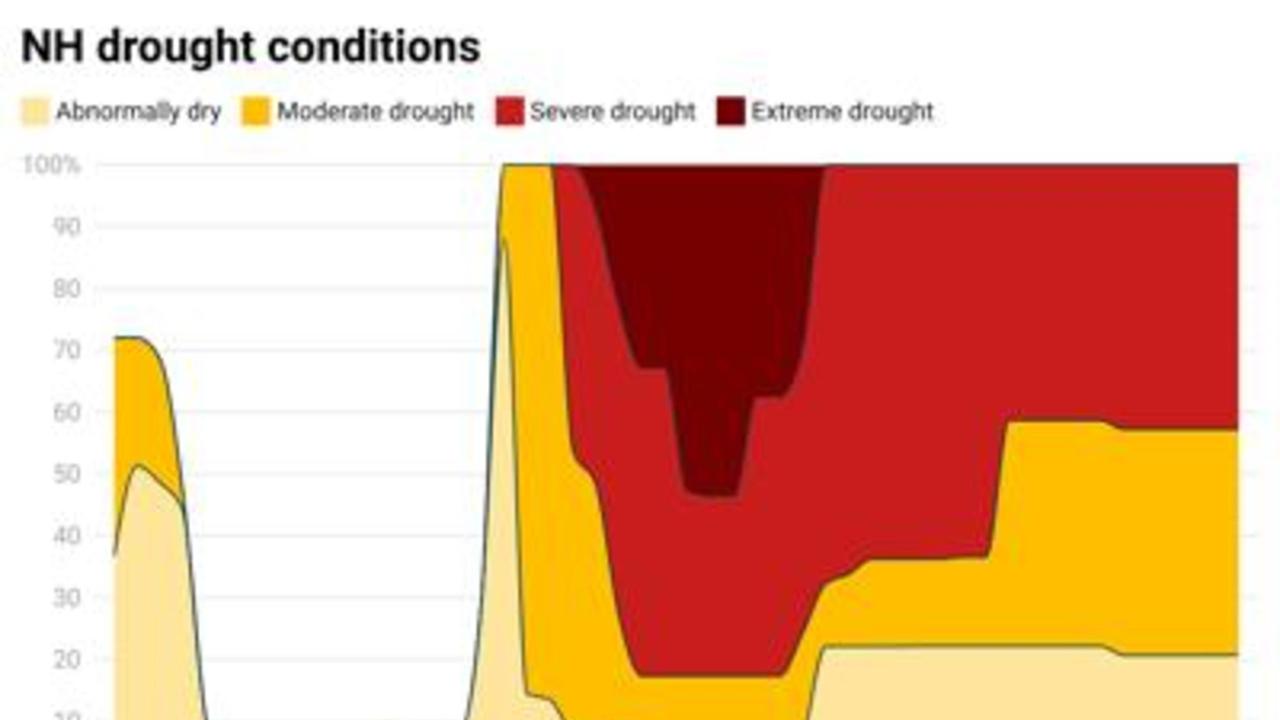
All of New Hampshire has now been in a state of drought or abnormally dry conditions for nearly eight months.
According to the U.S. Drought Monitor, most of the state remained in a moderate to severe drought as of Friday afternoon despite getting more precipitation this winter than has become the norm in recent years.
Cheshire and Hillsborough counties are abnormally dry.
The extended dry period started late last summer, capping off a growing season marked by strange weather that impacted the state's farmers.
According to the U.S. Drought Monitor, the drought caused numerous issues throughout the summer and fall, including fire risk, crops suffering, wells running dry, water use restrictions, and impacts on tourism and recreation.
In January, the state Drinking Water and Groundwater Advisory Commission approved a $1.5 million grant to restart the Emergency Drought Assistance Program.
The program will pay up to 100 percent of costs associated with reestablishing access to reliable drinking water for eligible residents.
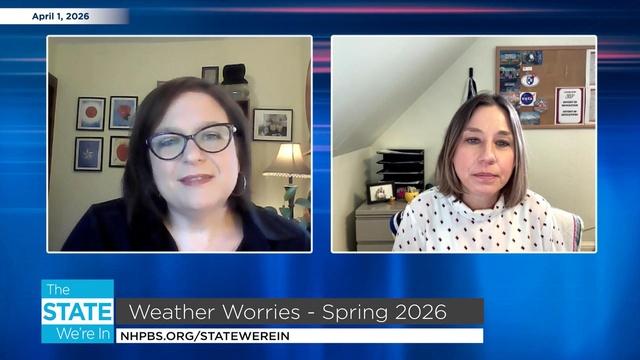
State Climatologist Mary Stampone told The Sentinel that month that significant snowfall wouldn't necessarily lead to an end to the drought.
Periodic thaws melt much of the state's snow while the ground is still frozen, meaning precipitation never turns into groundwater, which is what's needed to break the drought.
Abigail Ham can be reached at 603-355-8554 or aham@keenesentinel.com.
These articles are being shared by partners in the Granite State News Collaborative. Don’t just read this. Share it with one person who doesn’t usually follow local news — that’s how we make an impact. For more information, visit collaborativenh.org.
Watch Online
Return to the
The State We're In
Main Page
Support for The State We're In is provided by New Hampshire Charitable Foundation
The State We're In is produced in partnership with the Granite State News Collaborative and the students and staff of the Marlin Fitzwater Center for Communication at Franklin Pierce Unversity in Rindge, NH.